


1. Introduction
Many businesses take nature for granted, but their operations depend heavily on it. Healthy ecosystems act like a natural infrastructure network—they clean water, keep soil fertile, and protect buildings from floods and extreme weather. When companies damage these natural systems, they risk disrupting their own supply chains, causing raw material shortages, and driving up operating costs.
This article explains biodiversity (the variety of life on Earth)—and shows how it directly connects to corporate risk management. We will look at how natural systems keep themselves stable and why that stability matters to the business world.
What you will learn in this article
✅International frameworks & definitions for biodiversity
✅ The three levels of biodiversity and how they work together to keep nature stable.
✅ How nature protects itself from systemic collapse by having multiple species perform the same vital jobs, like pollination or water filtration.
✅ The 5 direct drivers of nature loss and how commercial activities intersect with the core threats to global ecosystems.
✅ How to view biodiversity as a form of natural capital
By the end of this article, you will understand how nature supports business, helping you better see, measure, and manage environmental risks in your own industry.

2. What is biodiversity?
Biological diversity—or biodiversity—refers to the entire variety of life on Earth, from individual genetic sequences and species variety up to complex ecosystem structures. It provides the functional infrastructure that allows natural systems to deliver essential contributions, maintain regional climate stability, and support global supply chains.
To evaluate these systems accurately, ecology organizes nature into different scales of observation:
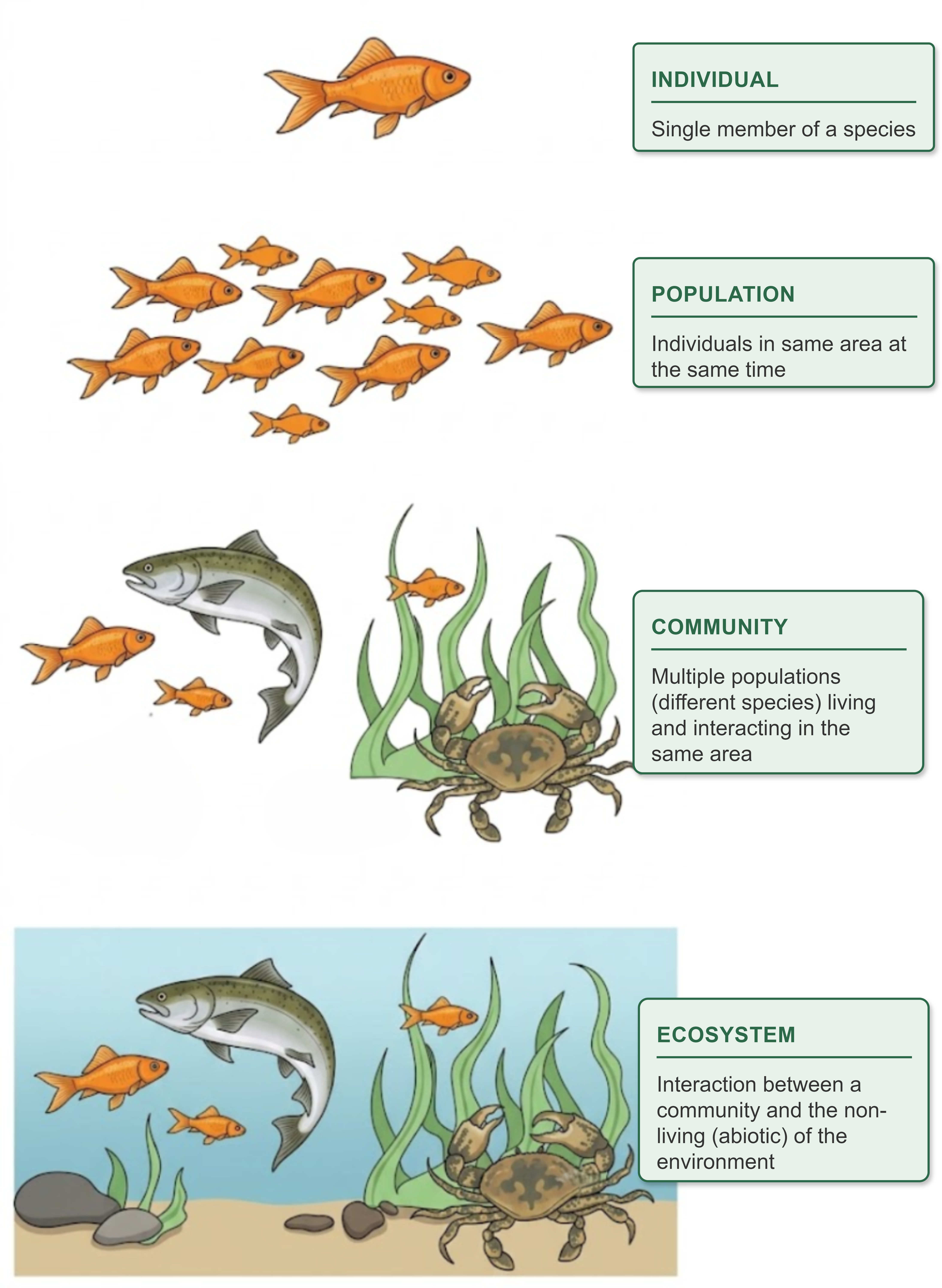
Understanding these building blocks is important because corporate operations and supply chains rarely interact with a single species in isolation. They rely on and impact entire ecological communities and ecosystems.
3. International frameworks and standard definitions
To build a grounded strategy around nature, decision-makers must understand how biodiversity is defined globally. The foundational legal definition was established under the United Nations Convention on Biological Diversity (CBD) during the 1992 Earth Summit.
The CBD defines biological diversity as the variability among living organisms from all sources—including terrestrial, marine, and freshwater ecosystems, as well as the ecological complexes of which they are a part. This definition explicitly spans three interconnected levels:
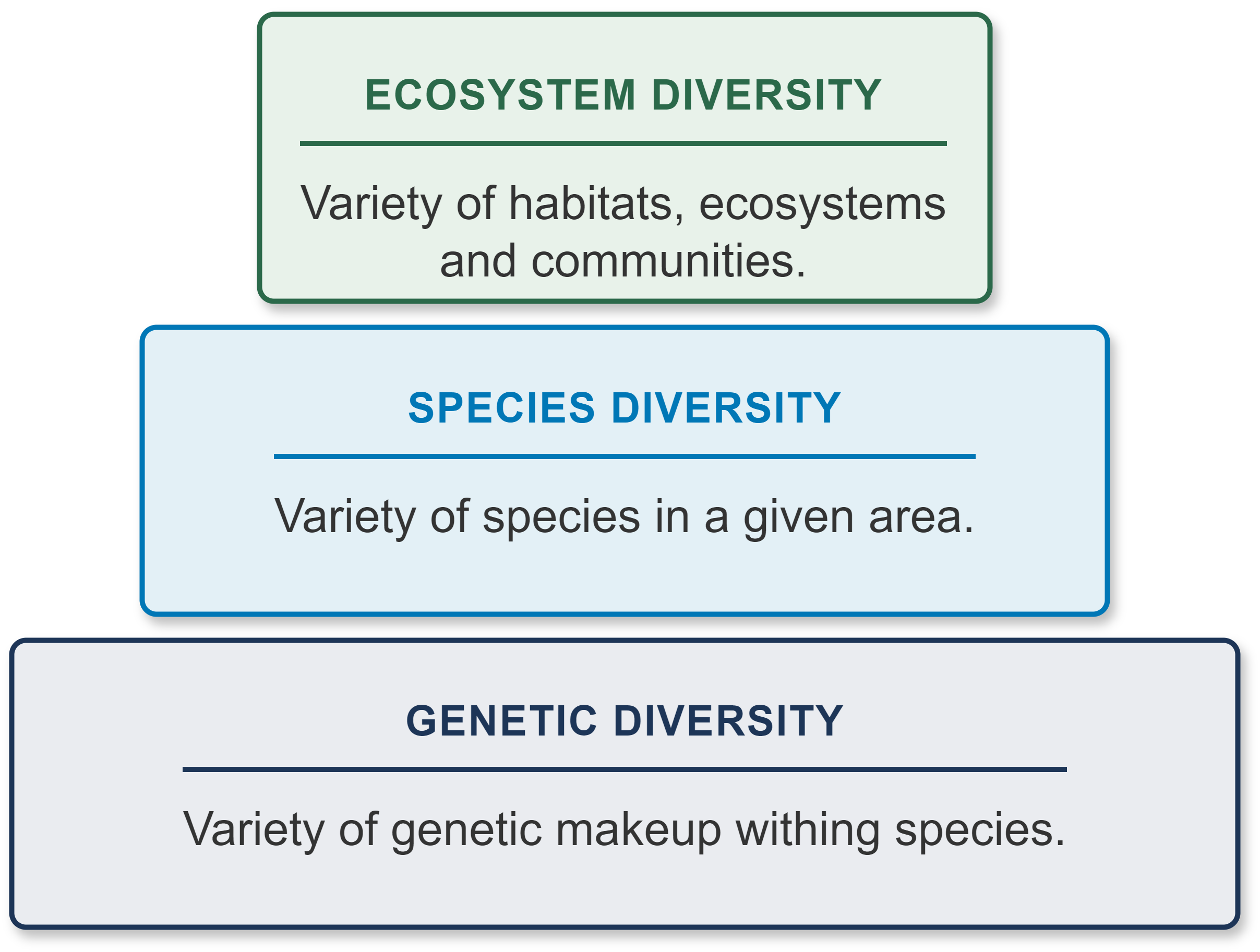
Historically, international policy focused on isolated targets, such as single endangered species or specific wetlands. The CBD shifted this approach toward managing nature as a connected whole through three core objectives:
Conservation of biological diversity.
Sustainable use of its components.
Fair and equitable sharing of benefits arising from genetic resources.
To achieve these goals, managers divide practices into in-situ conservation (protecting species within their natural habitats) and ex-situ conservation (preserving components in places like seed banks or zoos).
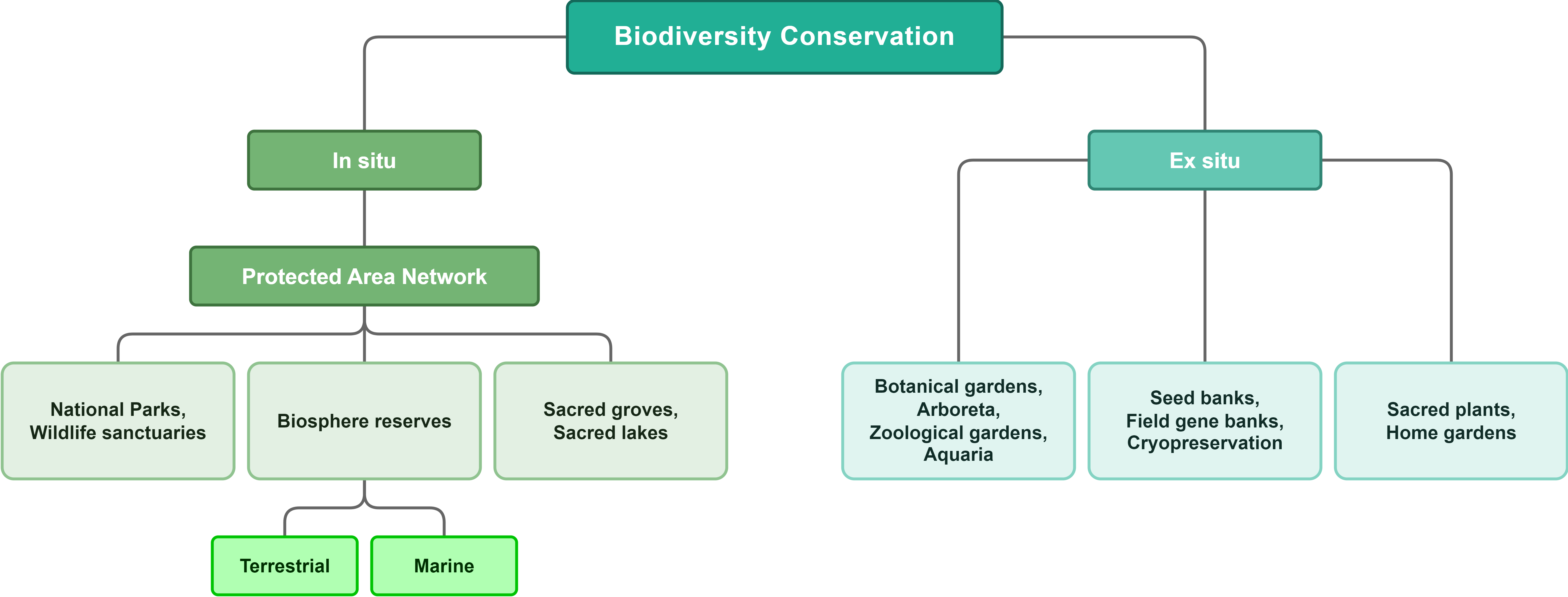
These policies are reinforced globally by modern initiatives:
Kunming–Montreal Global Biodiversity Framework: Sets global goals to halt and reverse nature loss by 2030.
IPBES (Intergovernmental Science-Policy Platform on Biodiversity and Ecosystem Services): Provides scientific assessments outlining how corporate activity and human development drive nature loss, while showing how businesses depend directly on multi-tiered biological systems.
![[INSIGHT] What the Kunming-Montreal Biodiversity Framework means for companies](https://substackcdn.com/image/fetch/$s_!0CjX!,w_140,h_140,c_fill,f_webp,q_auto:good,fl_progressive:steep,g_auto/https%3A%2F%2Fsubstack-post-media.s3.amazonaws.com%2Fpublic%2Fimages%2F72f7de53-1742-4e43-bc51-d82d9c579461_1857x1731.png)
4. The three levels of biological diversity
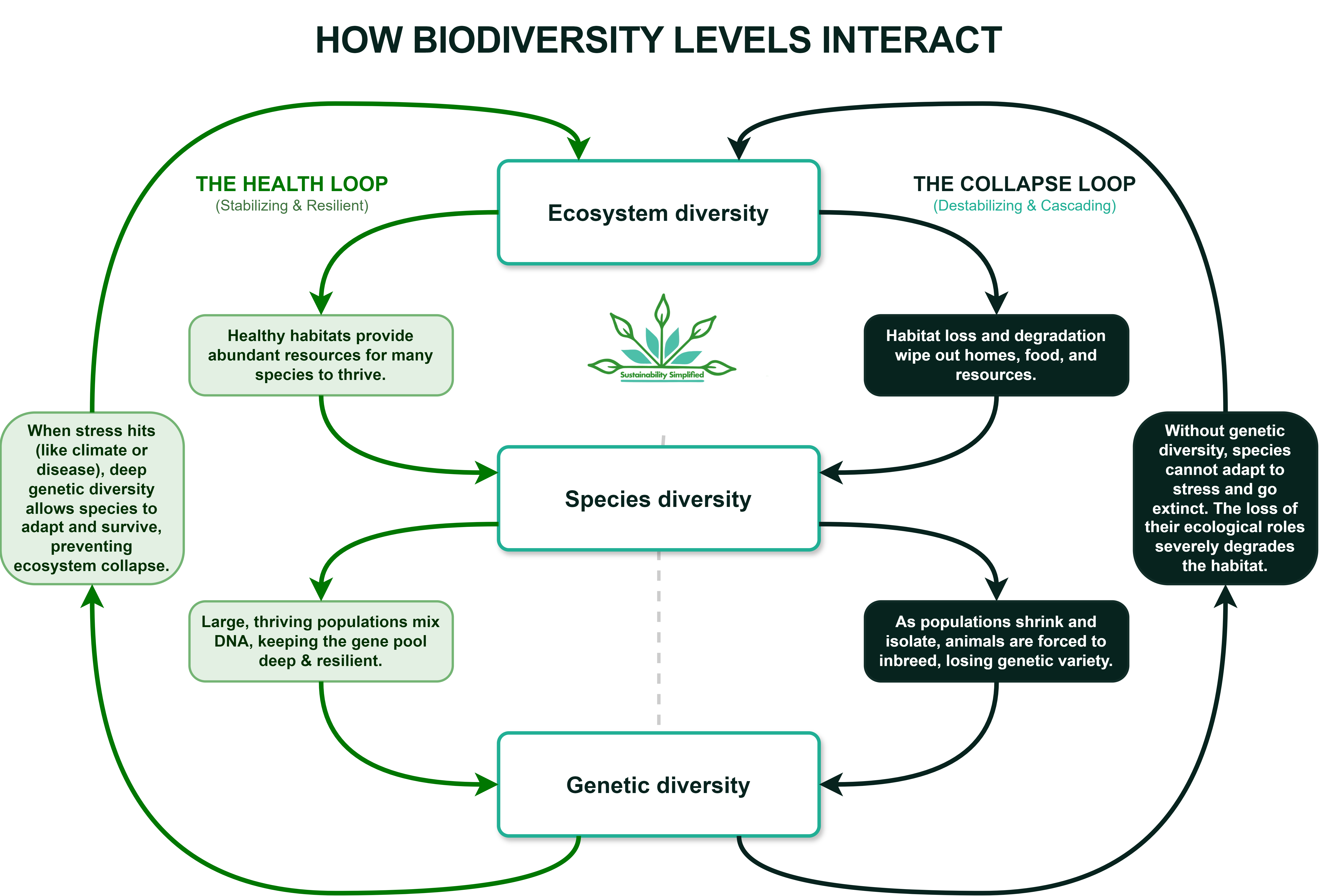
Biological variation is analyzed across three distinct structural levels. These levels do not exist in isolation. They interact continuously through feedback loops.
Genetic diversity
Genetic diversity forms the foundational layer. It represents the heritable variation in DNA sequences within and between populations of a species. This variation provides the raw material for natural selection, enabling species to adapt to changing temperatures, emerging diseases, or shifting rainfall patterns. High genetic diversity acts as a buffer against population decline, whereas severe losses in genetic variation reduce resilience.
Species diversity
Species diversity reflects the variety of distinct species within a given region. It serves as the primary currency used in conservation planning. Crucially, species diversity accounts for both species richness (the total number of species present) and species evenness (the relative abundance and numerical balance of those species). Beyond basic counts, this scale includes phylogenetic diversity, which measures the total evolutionary history and unique branches represented within an ecological community.
Ecosystem diversity
Ecosystem diversity encompasses the structural variety of physical habitats and biomes—from local wetlands and temperate forests to tropical reefs. It captures how plant, animal, and microbial communities interact with their non-living physical environment as a functional unit.
Cross-scale feedbacks
When human actions disrupt one scale, the effects cascade through the others. For example, fragmenting a forest (ecosystem scale) restricts animal movement, leading to isolated populations. This reduces genetic mixing (genetic scale), which weakens population resilience and can trigger local extinctions (species scale).
5. How ecological mechanics support systemic stability
Natural ecosystems depend on biological diversity—the variety of life across all levels—to maintain productivity, health, and stability against environmental disruptions. This resilience is driven by three foundational ecological mechanisms.
1. Niche differentiation: optimizing resource use
Within any habitat, different species develop distinct strategies for acquiring nutrients, water, and sunlight to minimize direct competition. This behavior is known as niche differentiation.
Instead of competing for the same resources at the same time, species partition their environment:
In practice: In a diverse forest or grassland, one plant species may have shallow roots to absorb surface rainfall, while an adjacent species develops deep taproots to access groundwater. Similarly, different animals may hunt or forage at different times of day or at different canopy heights.
Because the species utilize different parts of the environment, the community as a whole processes available light, water, and nutrients far more efficiently than a single-species monoculture could alone.
2. Functional redundancy and the insurance hypothesis
Ecosystems rely on critical processes to remain viable, including plant pollination, water filtration, and nutrient cycling in soil. Functional redundancy occurs when multiple distinct species perform similar ecological roles within the same system.
This overlap forms the basis of the insurance hypothesis, which views biodiversity as a safeguard against environmental volatility:
In practice: If a habitat relies on only one insect species for pollination, a targeted disease or extreme weather event could wipe out that insect and collapse the plant population. However, if the ecosystem features several distinct pollinator species, those with higher tolerance levels will survive and maintain the pollination process.
This redundancy ensures that the loss of a single species does not result in a systemic failure of the entire ecosystem.
3. Trophic cascades and food web regulation
Ecosystems are structurally bound by food webs that dictate how energy moves upward from primary producers (plants) to apex predators (animals at the top of the food chain). A trophic cascade is a powerful chain reaction triggered by the addition or removal of these top predators, which alters the balance of the entire system.
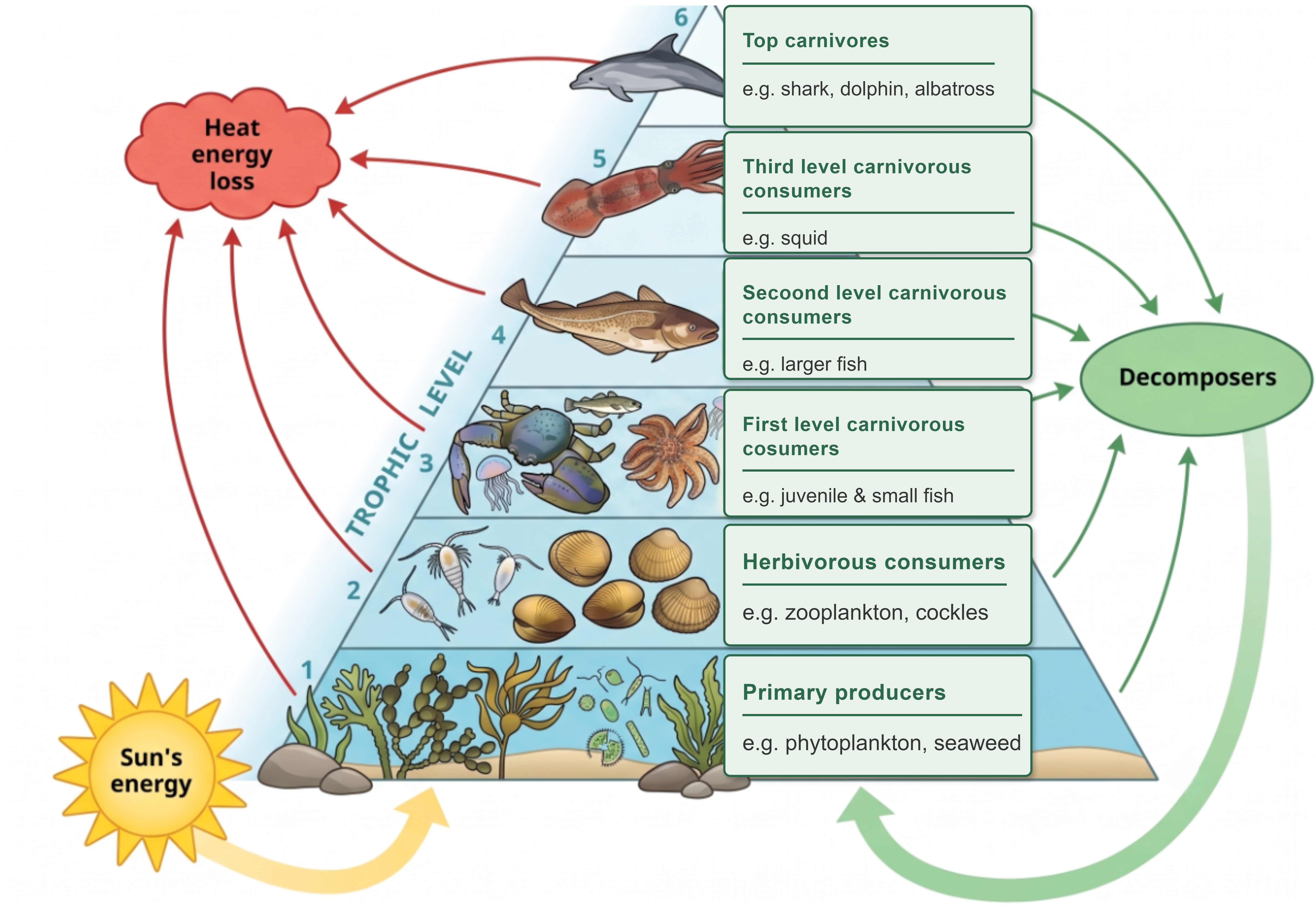
When top predators are removed, the lack of population control creates a downward ripple effect through the food web:
In practice: In North Pacific marine environments, sea otters prey on sea urchins, which feed on kelp (underwater algae forests). When sea otters are present, they keep the urchin population in check, allowing kelp forests to thrive and provide habitats for hundreds of other species. If sea otters are removed, the urchin population expands rapidly, overgrazing the kelp and reducing a rich ecosystem to a barren underwater desert.
Maintaining top-down regulation is therefore essential to preventing population explosions at lower levels that can degrade foundational habitats.
Example
When functional redundancy is low or absent, losing a key biological group leads to functional extinction. This is a state where a population becomes so severely depleted that it can no longer fulfill its critical ecological role within the ecosystem.The scavenger collapse: The severe real-world consequences of functional extinction and top-down trophic disruption were observed when widespread veterinary drug use caused a drastic collapse in vulture populations across the Indian subcontinent.
Because vultures functioned as nature’s highly efficient primary scavengers, their absence left an enormous ecological role unfulfilled. Rotting livestock carcasses accumulated in the open, triggering a severe environmental sanitation shock. This abundance of carrion fueled a rapid population explosion of feral dogs. The resulting surge in dog-human interactions led to a massive spike in rabies transmission and severely compromised local water safety due to pathogen runoff.
This functional extinction ultimately triggered devastating public health crises and massive economic costs. Proving that losing a single ecological functional group can cause cascading disruptions that compromise broad human and enterprise systems.
6. Global status and drivers of nature loss
Synthesized global data highlights rapid, ongoing changes across natural systems. According to IPBES findings, approximately 1 million species face extinction within the coming decades under current trends, while key natural contributions continue to decline.
Corporate supply chains and economic activities intersect with the five direct drivers of nature loss defined by IPBES:
Land-Use Change: Transforming natural areas for agriculture, real estate, and infrastructure remains the leading driver of land degradation.
Overexploitation: Harvesting biological resources faster than they can naturally regenerate weakens marine fisheries and timber stocks.
Pollution: Industrial waste, agricultural fertilizer runoff, and plastic accumulation create dead zones and degrade water resources.
Climate Change: Thermal stress, shifting weather patterns, and ocean acidification compound existing pressures.
Invasive Species: Global transport networks inadvertently spread non-native organisms that outcompete local flora and fauna, causing significant economic and environmental harm.
7. Enterprise risk and management implications
For forward-thinking organizations, nature loss is a material business risk. Ecosystem degradation creates real-world operational disruptions, supply chain volatility, regulatory pressures under frameworks like the CSRD, and physical threats to infrastructure.
To navigate these challenges, companies are deploying structured approaches to assess and address their impacts:
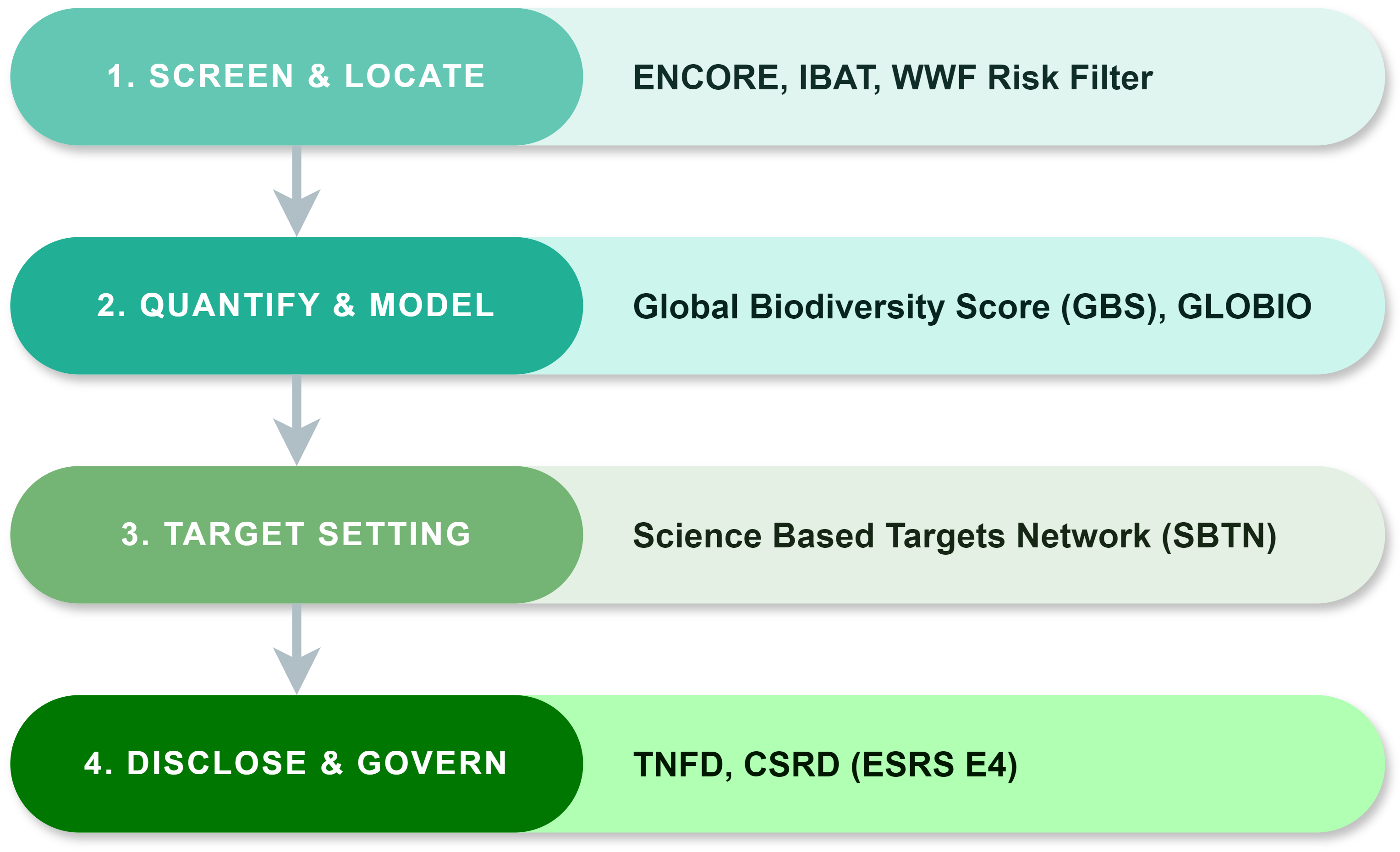
By addressing the core drivers of nature loss, companies can protect vital natural capital, build long-term operational resilience, and secure their license to operate.
8. Bottom line: Managing nature like a financial asset
To fully integrate biodiversity into corporate strategy, business leaders must look beyond immediate operational risks and understand how nature creates value. The multiple uses and values of biological diversity can be broken down into several categories.
1. Consumptive use value
This value comes from biological products that are harvested and consumed directly, such as food, fuel, clothing fibers, and medicines. For instance, the world’s population relies directly on plants or plant extracts for medicine.
Famous examples include:
Penicillin: A world-changing antibiotic derived from the Penicillium fungus.
Tetracycline: A widely used antibiotic sourced from a bacterium.
Quinine: A historical cure for malaria obtained from the bark of the Cinchona tree.
Cancer treatments: Vital anti-cancer drugs like vinblastine and vincristine derived from the Catharanthus plant.
Additionally, our global energy baselines rely on fossilized biodiversity; coal, petroleum, and natural gas are all the products of ancient, fossilized life forms.
2. Productive use value
Productive use refers to biological products that are harvested commercially and traded in global markets. Entire commercial sectors are completely dependent on these productive values. Examples include silk from silkworms, wool from sheep, and lac from lac insects. Major industries—such as paper and pulp, plywood, textiles, leather, and commercial pearl production—rely entirely on these natural outputs to create marketable goods.
3. Aesthetic value
Nature holds immense visual and recreational value. People regularly spend significant amounts of time and money to visit wilderness areas, national parks, and oceans just to experience the beauty of undisturbed wildlife. This aesthetic value fuels a massive global eco-tourism industry, providing major economic returns for hospitality, travel, and regional economies.
4. Ecosystem service value
This category covers the “invisible” work that ecosystems do to maintain themselves and keep the planet habitable. These non-consumptive services include:
Preventing soil erosion and catastrophic floods.
Maintaining soil fertility and cycling vital nutrients like nitrogen.
Absorbing environmental pollutants and regulating water cycles.
Reducing the threat of global warming by storing carbon
Biodiversity is a foundational asset class that directly protects a company’s financial balance sheet. By viewing genetic variety, species backups, and healthy ecosystems as forms of natural capital, business leaders can measure their true operational risks. Protecting nature is simply good business. It is a practical strategy designed to secure your raw materials, protect your buildings, and keep your business running smoothly.
Relevant Sources
Indicators for Monitoring Biodiversity: A Hierarchical Approach
Biodiversity: Its Different Levels and Values
Biodiversity: Concepts, Patterns, Trends, and Perspectives | Annual Reviews
The Functions of Biological Diversity in an Age of Extinction
What is Biodiversity? - Perspectives on Biodiversity - NCBI Bookshelf
Biodiversity: An Introduction - Kevin J. Gaston, John I. Spicer - Google Boeken
5 key drivers of the nature crisis
The global assessment report on BIODIVERSITY AND ECOSYSTEM SERVICES SUMMARY FOR POLICYMAKER
The Social Costs of Keystone Species Collapse: Evidence from the Decline of Vultures in India