


1. Introduction
Chemicals are important to how modern society functions, from the food we eat to the technologies we rely on. But not all chemicals are safe. Some, like PFAS (per- and polyfluoroalkyl substances), persist in the environment, accumulate in our bodies, and are linked to serious health risks. PFAS have been widely used for decades. But they are extremely persistent. That’s why they’re now known as “forever chemicals.” In recent years, PFAS have become a major global concern.
This article will help you understand:
✅ What PFAS are
✅ How PFAS affect human health and the environment
✅ Where they’re found and how we’re exposed
✅ Why regulating PFAS is so difficult
✅ How PFAS relate to substances of very high concern (SVHCs) under the EU’s CSRD framework
By the end, you’ll have a clear understanding of why PFAS are one of the most urgent chemical threats of our time.

2. What are PFAS?
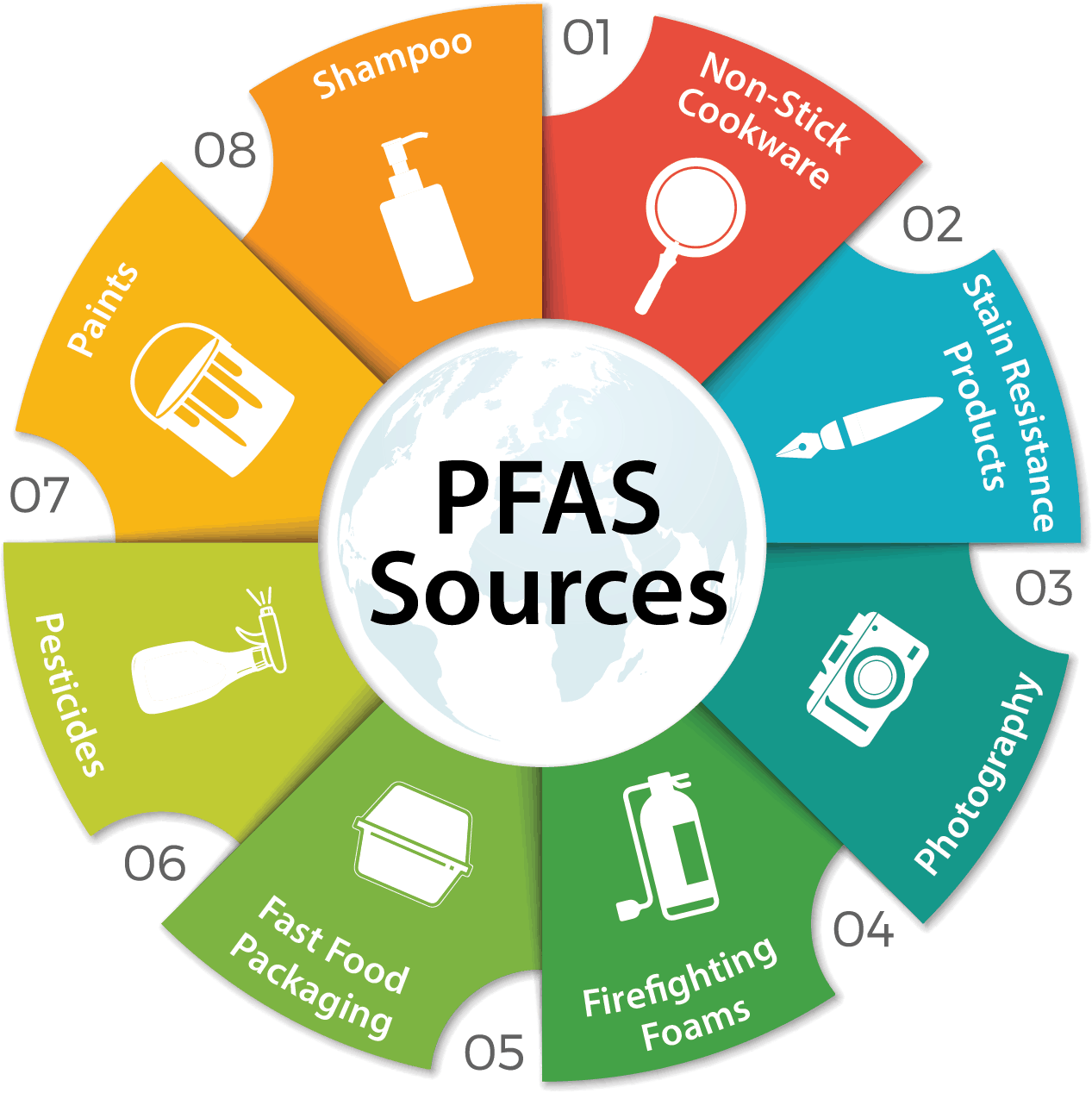
Per- and polyfluoroalkyl substances (PFAS) are a group of more than 4,700 synthetic chemicals used in everything from waterproof clothing and non-stick cookware to firefighting foam and industrial processes. They are designed to resist heat, oil, grease, and water—qualities that make them commercially valuable but environmentally persistent.
The problem? PFAS don’t break down easily in nature. That’s why they’re known as “forever chemicals.” Once released into the environment, they accumulate in soil, water, wildlife, and human bodies.
Where you’ll find them:
Food packaging and takeout containers
Waterproof textiles and outdoor gear
Cleaning products and stain repellents
Industrial applications and electronics
Drinking water near manufacturing sites
Their ubiquity makes PFAS incredibly hard to avoid.
3. Health effects: A slow-moving crisis
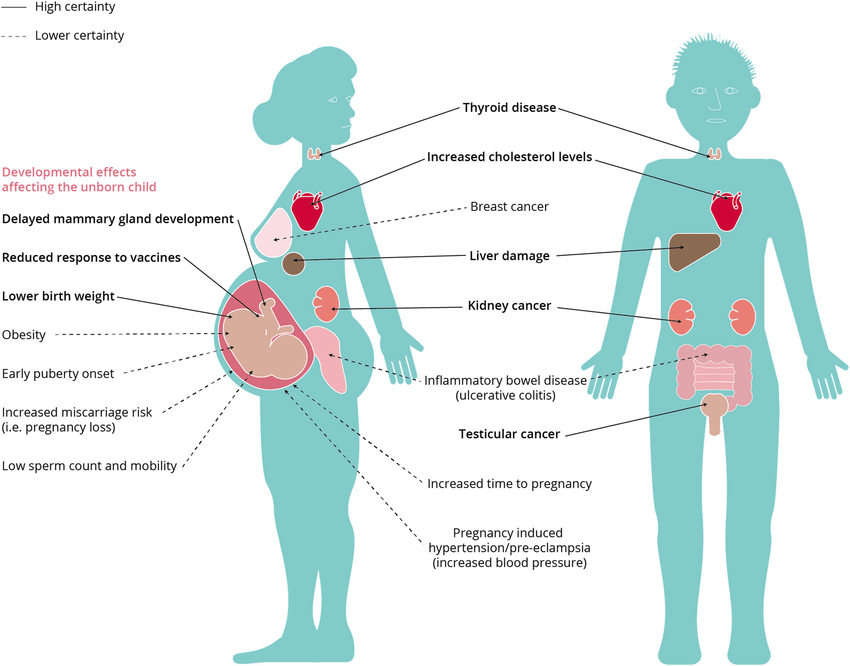
Research shows that exposure to PFAS can affect many parts of the body, even at low levels. Here's what has been found:
Cholesterol: PFAS are consistently linked to higher cholesterol levels in people.
Thyroid: These chemicals can disrupt thyroid hormones, especially in women and children.
Immune system: PFAS may weaken the immune response, including lowering how well vaccines work in kids.
Liver and kidneys: PFAS can build up in the liver and kidneys, leading to damage and increasing the risk of disease.
Cancer: Studies link PFAS to higher risks of testicular and kidney cancer.
These effects are supported by both animal research and human studies, and the evidence is growing stronger.
4. How PFAS reach us: from factories to food
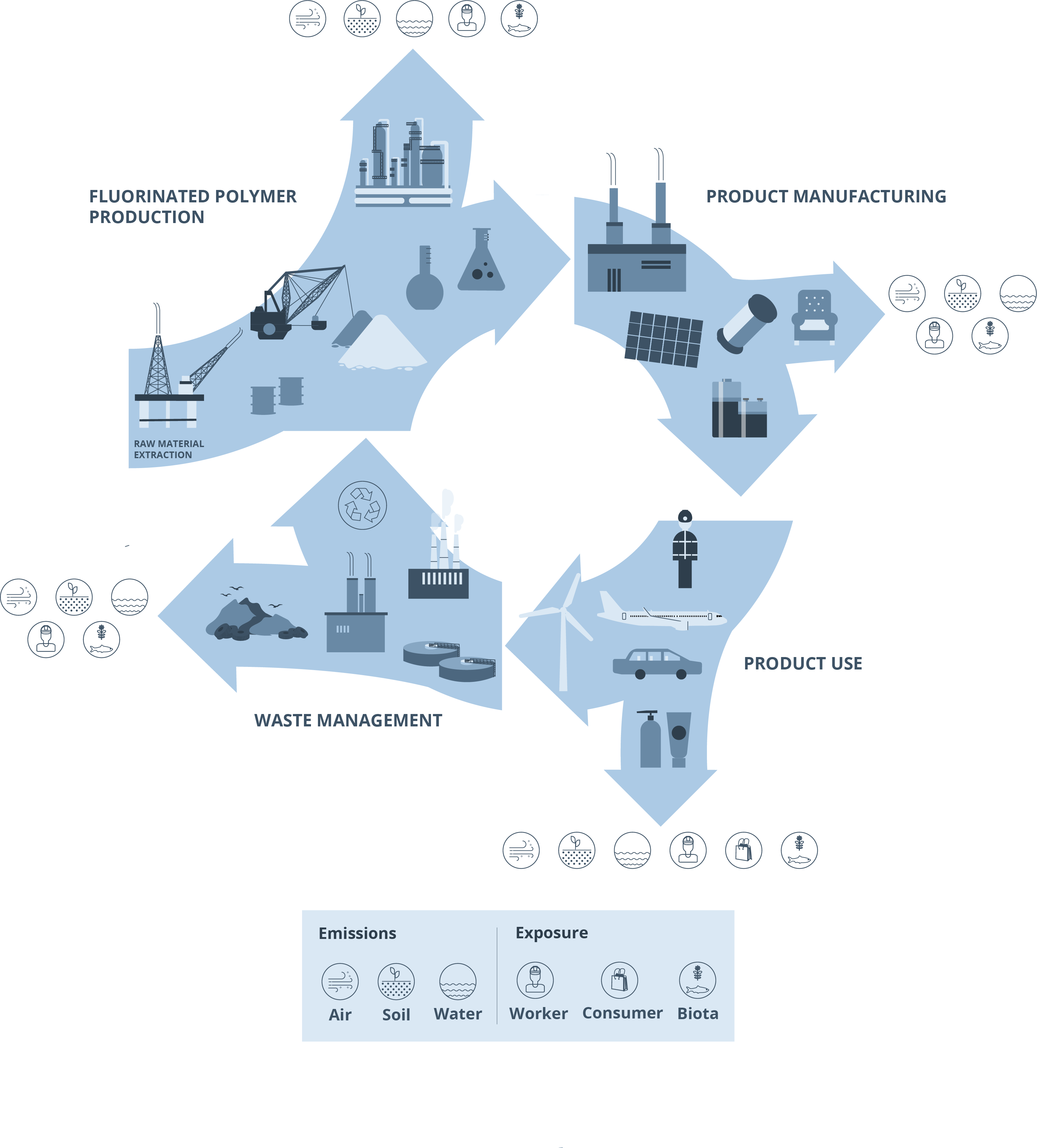
PFAS are used in many everyday products, including building materials, electronics, and firefighting foams, because of their durability. But, this durability comes at a cost: PFAS are released throughout the life cycle of these products and persist in the environment.
Example
Major pollution has been documented near production sites in Belgium and the Netherlands, where PFAS have contaminated soil and water. Industrial wastewater, especially from smaller factories, can spread PFAS to farmland via sewage sludge, as seen in Germany. Firefighting foams are another key source, most notably in Ronneby, Sweden, where drinking water contamination led to PFAS levels in residents’ blood over 100 times above normal.
Source: Cross-cutting story 3: PFAS — European Environment Agency
5. Environmental impact: A legacy that lasts
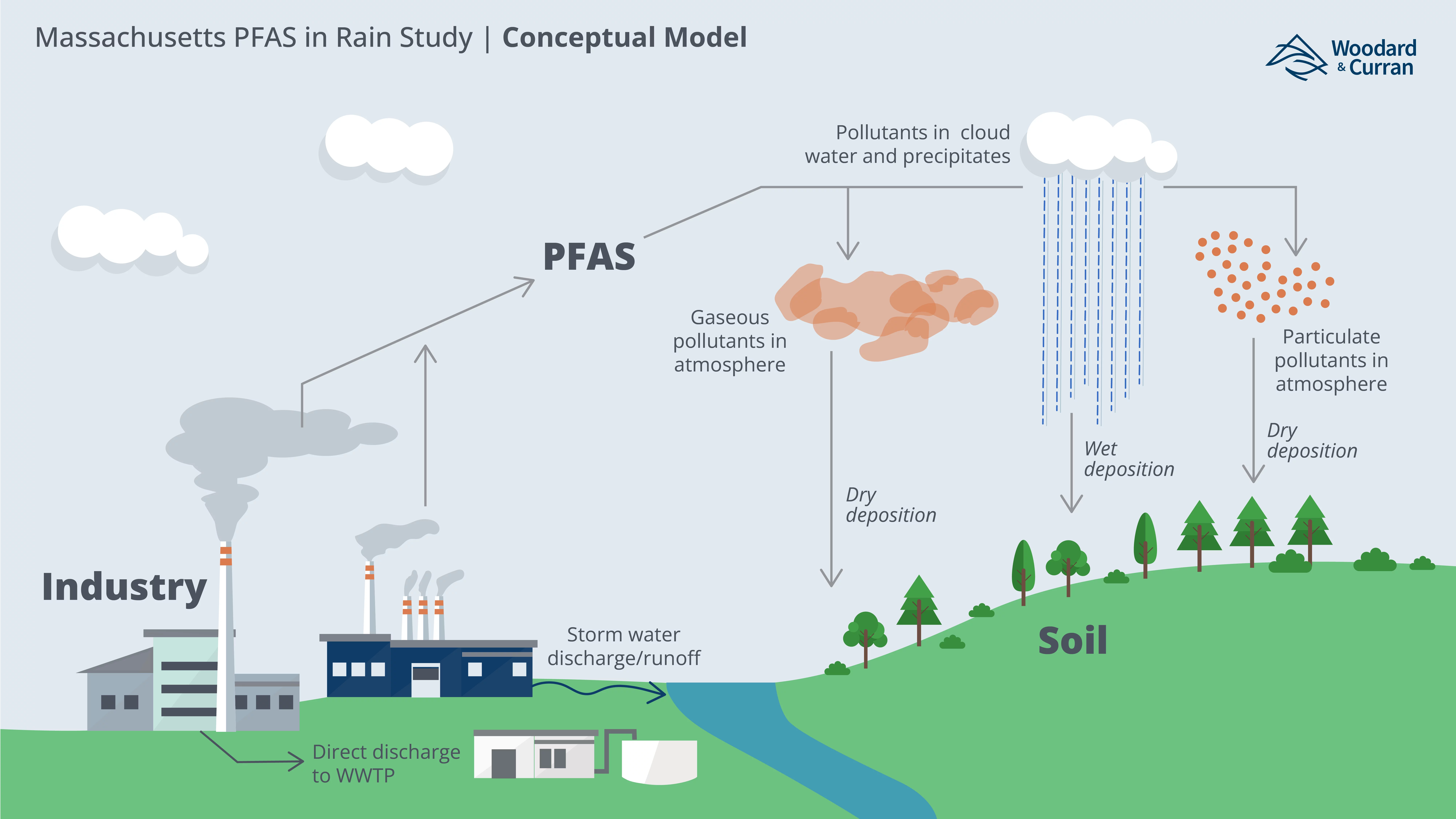
Once released PFAS contaminate groundwater, rivers, and even remote regions through atmospheric transport. Many PFAS are water-soluble and mobile, allowing them to spread far from their source. They build up in aquatic organisms and move up the food chain, leading to significant exposure in predators such as birds, seals, and humans. Even modern waste treatment and incineration processes often fail to completely destroy them, contributing to their global distribution. Their resistance to environmental breakdown, combined with toxicity and bioaccumulation, makes PFAS a long-term hazard to ecosystems and biodiversity.
6. Why monitoring and regulating PFAS is so difficult
Even as PFAS gain attention, many still go undetected and unregulated. Here’s why tracking and managing them remains difficult:
Hard to detect
PFAS often exist in water at extremely low levels (parts per trillion), requiring specialized equipment and strict lab protocols. New sensing methods are promising but not yet reliable for broad use.Limited data on newer PFAS
While legacy PFAS like PFOA are well studied, many newer ones lack toxicity and environmental data, making it hard to assess their risks or prioritize action.Patchy regulation
Most PFAS rules are set at the national level, mainly in high-income countries. Many others lack the tools and infrastructure to monitor them.Treatment remains costly
Removing PFAS is expensive, and current methods often fail to balance effectiveness, affordability, and sustainability, especially in low-resource regions.
Until these issues are addressed, PFAS will continue to quietly accumulate in people and the environment.
7. How PFAS are being regulated in the EU and globally
Efforts to regulate PFAS are growing, especially in the EU and through international treaties:
Global bans
PFOS and PFOA—two of the most harmful PFAS—are banned under the global Stockholm Convention. PFHxS was recently added, and more PFAS are under review.EU restrictions
The EU bans several PFAS under its POPs and REACH regulations. More restrictions are coming, including a planned ban on PFHxA in 2026. Five EU countries have proposed a broader PFAS restriction covering many uses.Firefighting foams
Special rules are being developed to restrict PFAS in firefighting foams, a major source of environmental contamination.High-concern substances
Several PFAS, including GenX, PFOA, and PFHxS, are officially listed as Substances of Very High Concern (SVHC), which triggers extra reporting and safety obligations.Limits in water and food
The EU sets a 0.5 µg/L limit for PFAS in drinking water. EFSA also set strict limits on PFAS in food, with fish, meat, and eggs being common sources.Group approach
Because regulating each PFAS individually is too slow, the EU supports a group-based approach to manage them more efficiently.
In short, PFAS regulation is accelerating, with the EU aiming to phase out all non-essential uses. The Corporate Sustainability Reporting Directive (CSRD) requires businesses to report about their Substances of (Very High) Concern, thus including PFAS, read more about these substances here:

8. What’s next?
The science is clear about PFAS, the health risks are real, and the pollution is widespread. The next step is taking action against using PFAS. For businesses, moving away from PFAS now means staying ahead of regulatory bans and reducing liability. Meanwhile, it means protecting society, the environment and your brand’s reputation.
Sources
Cross-cutting story 3: PFAS — European Environment Agency
New study reveals diet link to PFAS ‘forever chemicals’ in human body | Pfas | The Guardian
Comprehensive analysis of PFAS presence from environment to plate | npj Science of Food
Environmental impacts, exposure pathways, and health effects of PFOA and PFOS - ScienceDirect
Per- and polyfluoroalkyl substances (PFAS) - ECHA
Relevant DR under the CSRD:
ESRS E2: Disclosure Requirement E2-5 – Substances of concern and substances of very high concern