


Last updated: 08-08-2025
1. Introduction
When businesses report their greenhouse gas (GHG) emissions, setting clear and credible targets is just as important as measuring emissions accurately. GHG targets define a company’s ambition for reducing its climate impact and show stakeholders how serious the organization is about driving real change.
This article will help you understand:
✅ What greenhouse gas emission targets are and why they matter
✅ The different types of GHG targets and their strategic implications
✅ How to set emission reduction goals
✅ Common pitfalls to avoid when setting GHG targets
By the end of this article, you’ll have a better understanding of greenhouse gas emission targets.

2. What are greenhouse gas emission targets?
Greenhouse gas emission targets are specific goals set to limit, reduce, or neutralize the emissions of GHGs, such as carbon dioxide (CO₂), methane (CH₄), and nitrous oxide (N₂O), produced by human activities.
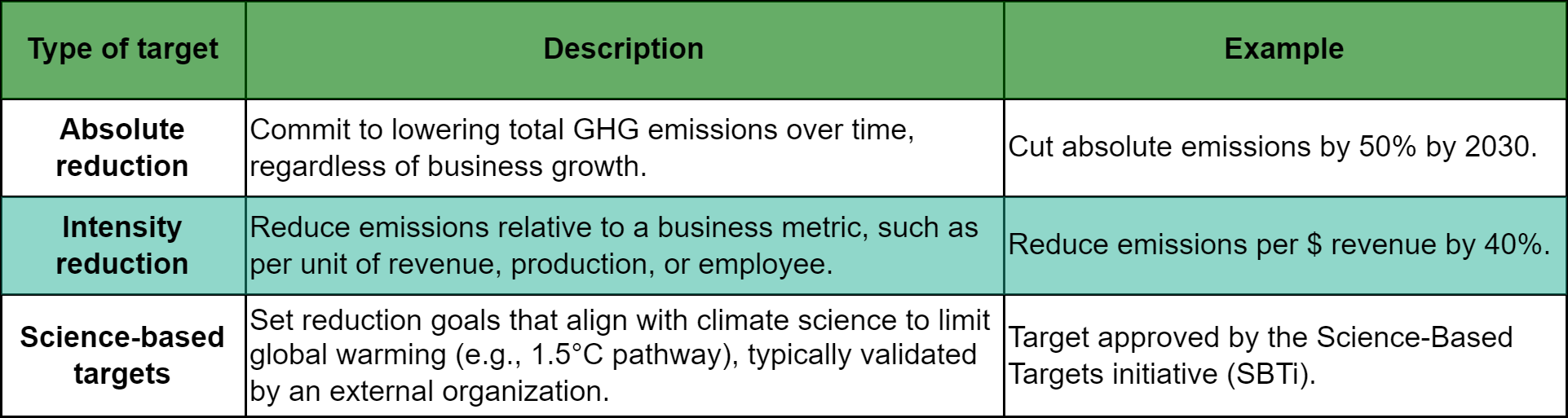
These targets are often expressed in absolute terms (e.g., reducing emissions by 50% by 2030 compared to 2018 levels) or in intensity terms (e.g., reducing emissions per unit of product or revenue).
Setting a GHG target involves deciding:
What baseline year to measure reductions from.
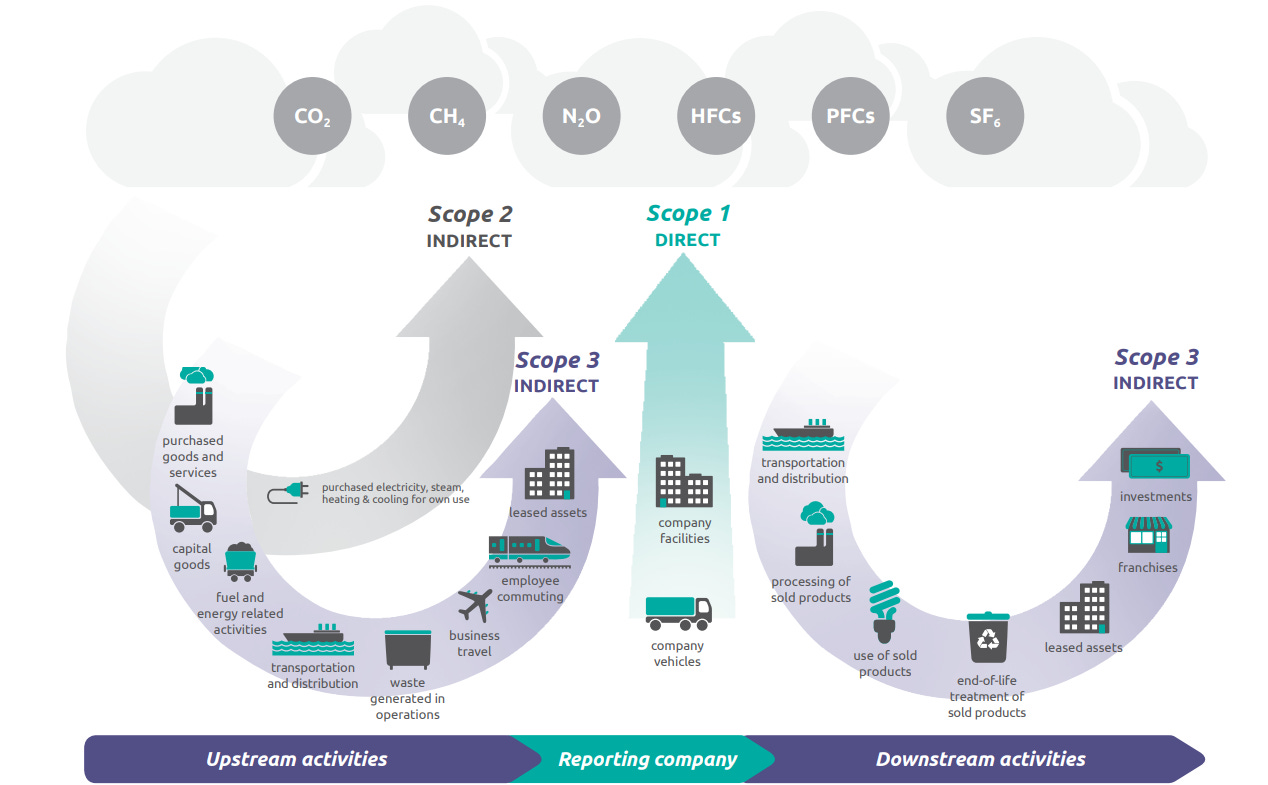
What scope of emissions (Scope 1, 2, and/or 3) to include.
What timeframe to achieve the reduction.
Whether to aim for absolute reductions, intensity reductions, or net-zero outcomes.
3. Why set greenhouse gas emission targets?
Setting GHG targets drives real operational, financial, and reputational benefits:
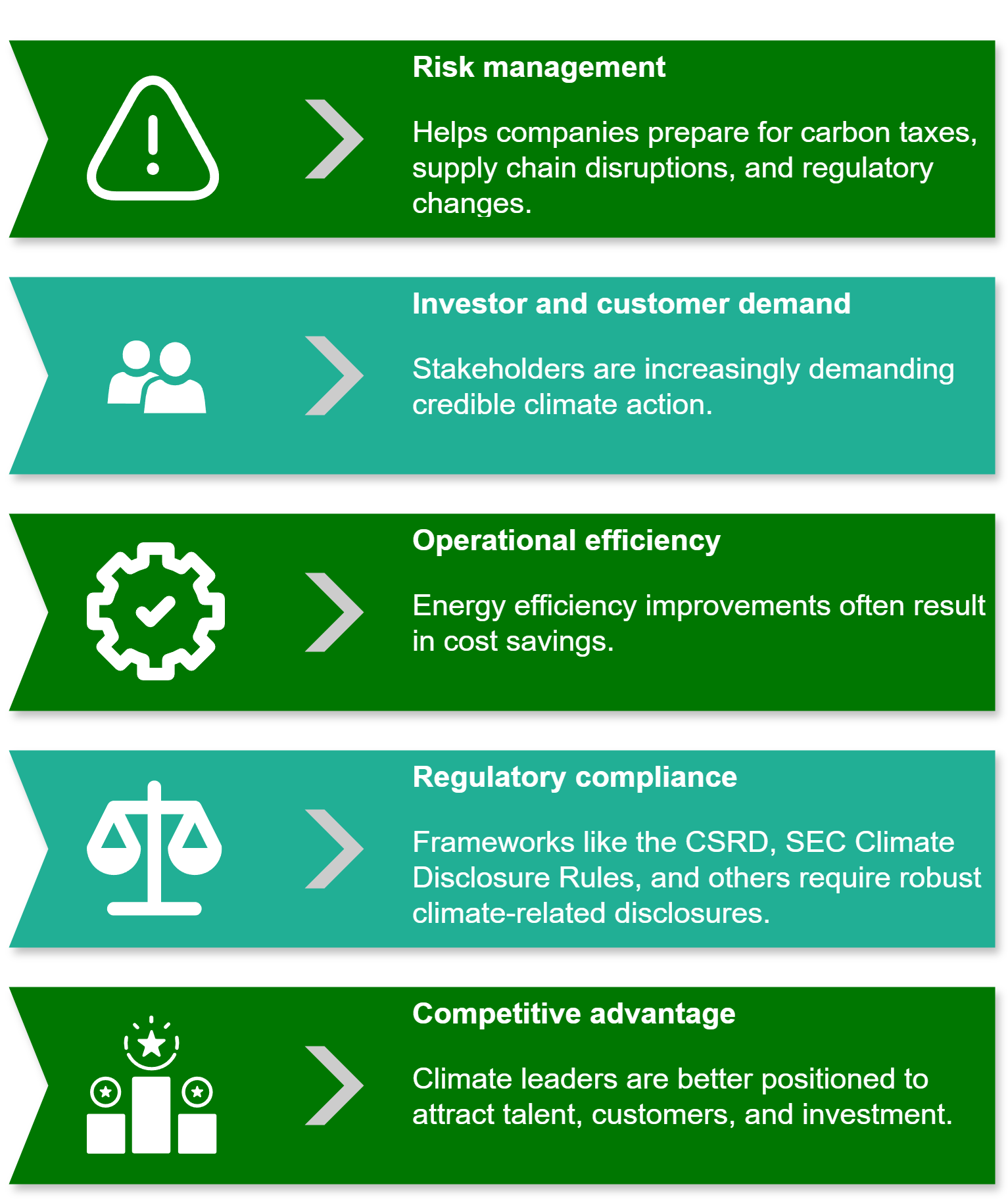
Moreover, setting clear targets fosters a culture of accountability internally. Goals encourage teams to think critically about how everyday operations impact the planet.
4. Types of greenhouse gas targets
There are several ways to define GHG targets. Each comes with strategic implications:
Absolute reduction targets signal a strong climate commitment because they require companies to cut emissions in total, even if the business grows. This often demands transformative changes in operations, supply chains, or energy sources. It can be more challenging but shows serious climate leadership.
Intensity reduction targets allow emissions to grow if business output grows faster. They offer flexibility, especially for rapidly expanding companies, but may be perceived as less ambitious.
Science-based targets position companies as sustainability leaders by aligning with the latest climate science. These targets can strengthen investor confidence and brand reputation but also require faster, more aggressive action, which may impact near-term profitability if not carefully managed.
5. How to set greenhouse gas emission targets
Setting GHG targets requires methodical planning. Here’s a step-by-step approach:
Step 1: Define the baseline year
Select a recent, representative year as the reference point for future comparisons. Ensure high-quality, verified data for that year.
Example: Use 2022 as the baseline for targets set in 2024.
Step 2: Choose scopes and boundaries
Decide whether to include:
Scope 1: Direct emissions from owned operations (e.g., fuel use).
Scope 2: Indirect emissions from purchased electricity, steam, heating, and cooling.
Scope 3: All other indirect emissions across the value chain.
Read more about boundary setting in this article:
![[EXPLAINED] E1-8: What are organizational & operational boundaries for emissions reporting?](https://substackcdn.com/image/fetch/$s_!rTGI!,w_140,h_140,c_fill,f_webp,q_auto:good,fl_progressive:steep,g_auto/https%3A%2F%2Fsubstack-post-media.s3.amazonaws.com%2Fpublic%2Fimages%2F20657086-78d5-4c2d-948b-8af47f39625e_2048x2048.jpeg)
Step 3: Set the ambition level
Determine how aggressive your goal should be. Options include:
30% reduction by 2030 (moderate ambition)
50% reduction by 2030 (more ambitious)
Net-zero by 2050 (long-term ambition)
Best practice: Align with science-based targets to demonstrate credibility.
Step 4: Develop action plans
Targets are only as good as the plans supporting them. Create detailed roadmaps including:
Energy efficiency improvements
Renewable energy procurement
Supplier engagement programs
Becoming more circular
Read more about circularity here:

Step 5: Track progress and adjust
Measure performance periodically.
Update targets every 5 years or after significant business changes.
Communicate transparently with stakeholders on progress and barriers.
6. Common pitfalls when setting GHG targets
Setting targets is easy on paper but can stumble in practice. Here are frequent mistakes to watch out for:
Excluding Scope 3: Neglecting indirect value chain emissions can severely underestimate your footprint.
Setting intensity-only targets: Risk emissions growing with business expansion.
Ignoring biogenic emissions: Separate reporting of emissions from biomass combustion is required under CSRD and GHG Protocol.
Failing to update targets: Business growth, M&A activity, or regulation changes should trigger target reassessment.
Poor stakeholder communication: Clear reporting builds trust, hiding challenges erodes credibility.
Moreover, lack of internal ownership, where sustainability sits siloed from operational teams, often derails success. Integrating GHG targets into corporate KPIs helps maintain focus.
8. What is next?
Once you’ve set your GHG targets, the journey begins. Here’s what comes next:
✅Implement action plans: Assign owners, allocate budgets, and launch initiatives.
✅Monitor and report: Set up data systems to track progress against targets periodically.
✅Engage suppliers and partners: Many Scope 3 emissions require collaborative solutions.
✅Review and adjust: New technologies, regulations, and market shifts may open better pathways to meet or exceed targets.
And perhaps most importantly: Embed climate thinking into every strategic decision, from product design to logistics, from hiring to investments.
Enjoyed the article?
Want to read more like this?
Relevant Standards
GHG Protocol - A Corporate Accounting and Reporting Standard