


1. Introduction
It is becoming more and more apparent that we need to shift to a circular economy, requiring businesses to rethink how they use resources, manage waste, and design systems for reuse. Under ESRS E5, companies are expected to disclose how they manage resource inflows and outflows, set targets for circularity, and measure the financial and environmental impacts of these efforts. Radio Frequency Identification (RFID) tags offer a practical, data-driven solution to meet these challenges. Let’s explore their role and potential.

2. What is RFID?
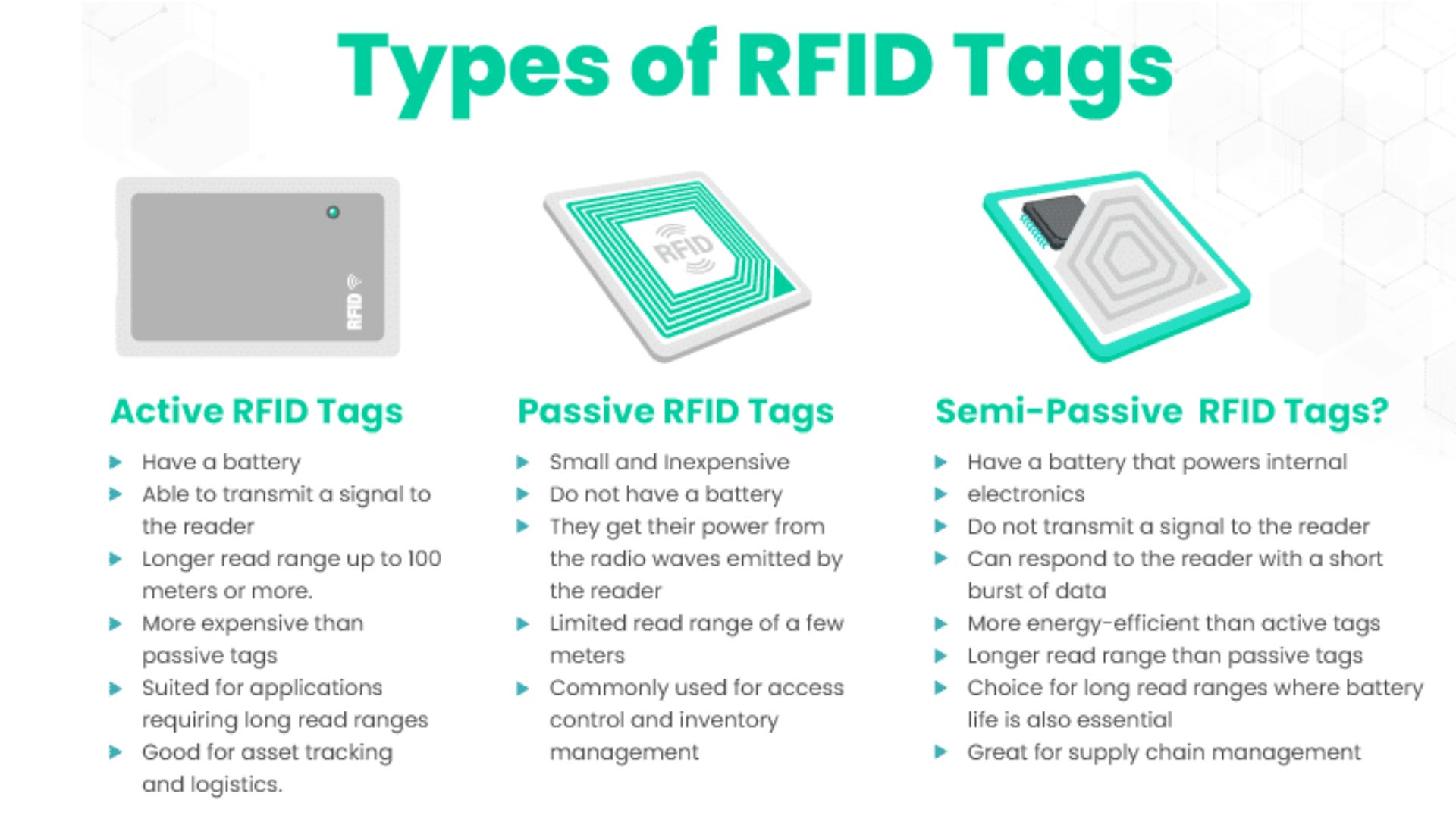
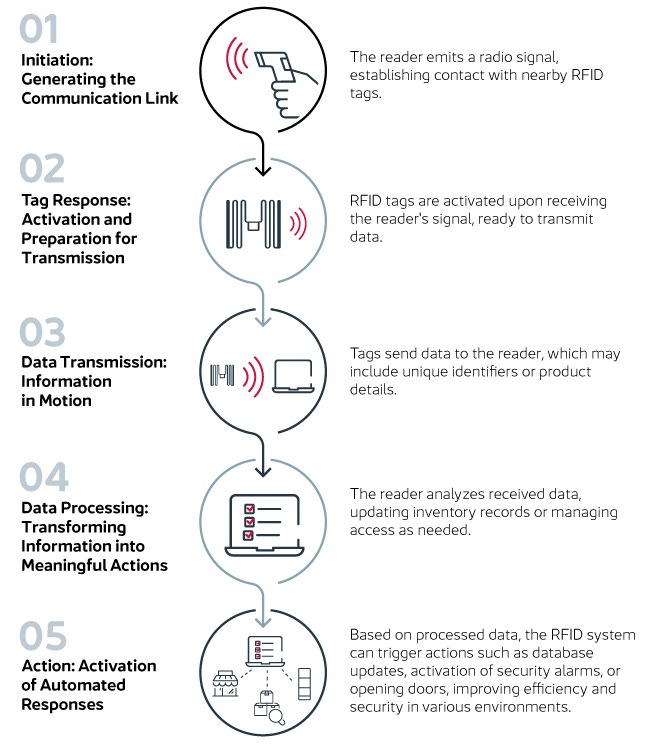
RFID, or Radio Frequency Identification, is a technology that uses radio waves to transmit data from a small tag attached to an object to a reader device. Each RFID tag contains an embedded microchip and antenna, allowing it to store and transmit information such as a product’s origin, composition, and usage history. Unlike traditional barcodes, RFID tags do not require a direct line of sight to be scanned, and multiple tags can be read simultaneously. This makes them useful for tracking and managing items in supply chains.
3. The intersection of RFID and ESRS E5
Resource traceability is an important element of ESRS E5. This standard demands transparency in how companies source materials, design for reuse, and minimize waste. Achieving this requires data, which is often lacking. RFID tags fill this gap by embedding digital information into materials and products, enabling tracking across their lifecycle.
While promising, integrating RFID into circular systems is not without hurdles. The technology introduces costs, requires infrastructure, and must balance sustainability with practicality.
4. How RFID tags can improve resource inflow management
Tracking material inflows is foundational to sustainable business practices. RFID tags provide visibility into this process. By embedding unique identifiers into materials, companies can document critical details such as origin, composition, and sustainability certifications.
For instance, imagine a manufacturer using recycled metals. RFID tags attached to these materials can verify the percentage of recycled content, ensuring compliance with circular economy targets. Similarly, tags on timber might indicate Forest Stewardship Council (FSC) certification, offering traceability from forest to factory.
5. Managing resource outflows: beyond waste
The story doesn’t end with production. RFID technology transforms how businesses handle resource outflows, particularly waste and end-of-life materials. For example, in reusable packaging systems, RFID tags monitor how many cycles a container completes before replacement. This data informs decisions about when to retire items or enhance durability. Similarly, tags on electronic products can store disassembly instructions, making sure that key materials like rare earth metals are recovered efficiently during recycling. These applications support ESRS E5’s focus on minimizing waste and maximizing material recovery.
6. Benefits and challenges to consider
From a practical standpoint, RFID tags deliver several advantages:
🔍 Transparency: Tags provide data on material flows, enabling companies to meet ESRS E5’s disclosure requirements.
⚙️ Efficiency: Automated systems reduce the need for manual record-keeping and inventory management, freeing up resources.
✅ Compliance: Detailed tracking helps to align with sustainability regulations, reducing the risk of penalties.
Despite their potential, RFID tags are not a silver bullet. Cost is a notable barrier, particularly for small and medium enterprises. Tags, readers, and supporting infrastructure require upfront investment, which may deter adoption. Additionally, integrating RFID into recycling systems poses technical challenges. For instance, while some tags can be removed and reused, others risk contaminating recycling streams.
These challenges highlight the importance of thoughtful implementation. Businesses must weigh short-term costs against long-term gains, consider compatibility with existing systems, and prioritize the recyclability of RFID components.
7. Conclusion
As the transition to a circular economy intensifies, RFID technology can be a powerful tool for businesses to track resource flows, and align with sustainability objectives outlined in ESRS E5. However, successfully integrating RFID into circular systems comes with challenges, such as high initial costs and the need for robust infrastructure. These hurdles necessitate a thoughtful approach to make sure that RFID is deployed in economically viable and environmentally responsible ways. Despite these obstacles, RFID remains a promising solution for accelerating the circular economy.
Relevant Resources
RFID-based material passport system in a recycled concrete circular chain