


Last updated: 05/23/2025
1. Introduction
The Science Based Targets initiative (SBTi) is a global corporate climate action partnership launched by CDP, the UN Global Compact, the World Resources Institute, and WWF. Its mission is to help companies set emissions reduction targets in line with climate science, to limit warming to well below 2°C, ideally 1.5°C, above pre-industrial levels.
As of this writing, thousands of businesses worldwide are registered, with 7,810 companies holding validated science-based targets (and 1,764 with net-zero targets) on the SBTi Target Dashboard. (In total, 10,572 firms have either set targets or committed to do so.) These numbers include global companies of all sizes and sectors (from tech and consumer goods to finance and heavy industry) taking concrete action to cut emissions.
This article will help you understand:
✅ What the Science Based Targets initiative (SBTi) is
✅ How companies are using science-based targets to align with a 1.5°C climate future
✅ The role of Scope 1, 2, and 3 emissions in SBTi target-setting , and when Scope 3 is required
✅ A step-by-step breakdown of the SBTi process
✅ The different methods available for setting targets, and how to choose the right one for your business
✅ Examples of companies that are using SBTi to cut emissions
✅ How SBTi can help meet CSRD climate target disclosure requirements
✅ What’s new in 2025, and how the SBTi is evolving
By the end of this article, you’ll understand how science-based targets work and what your organization needs to do to set credible and validated targets.

2. Why do we need science-based targets?
Setting climate targets anchored in science helps companies chart a clear path to net-zero emissions. International reports show the urgency: the 2018 IPCC Special Report found that to limit warming to 1.5°C, global greenhouse-gas (GHG) emissions must halve by 2030 and reach net-zero by 2050. Businesses are responsible for a large share of emissions, so their targets and actions are critical.
Importantly, SBTi-aligned companies are already cutting emissions faster than required by 1.5°C pathways: one SBTi progress report found that companies with approved science-based targets cut their Scope 1+2 emissions at roughly 6.4% per year (exceeding the ~4.2% annual reduction needed on average). Across 338 such companies, combined emissions fell by 25% since 2015, equal to the output of some 78 coal-fired power plants.
Science-based targets also bring concrete business benefits. The SBTi notes that companies on track with science-based targets often experience:
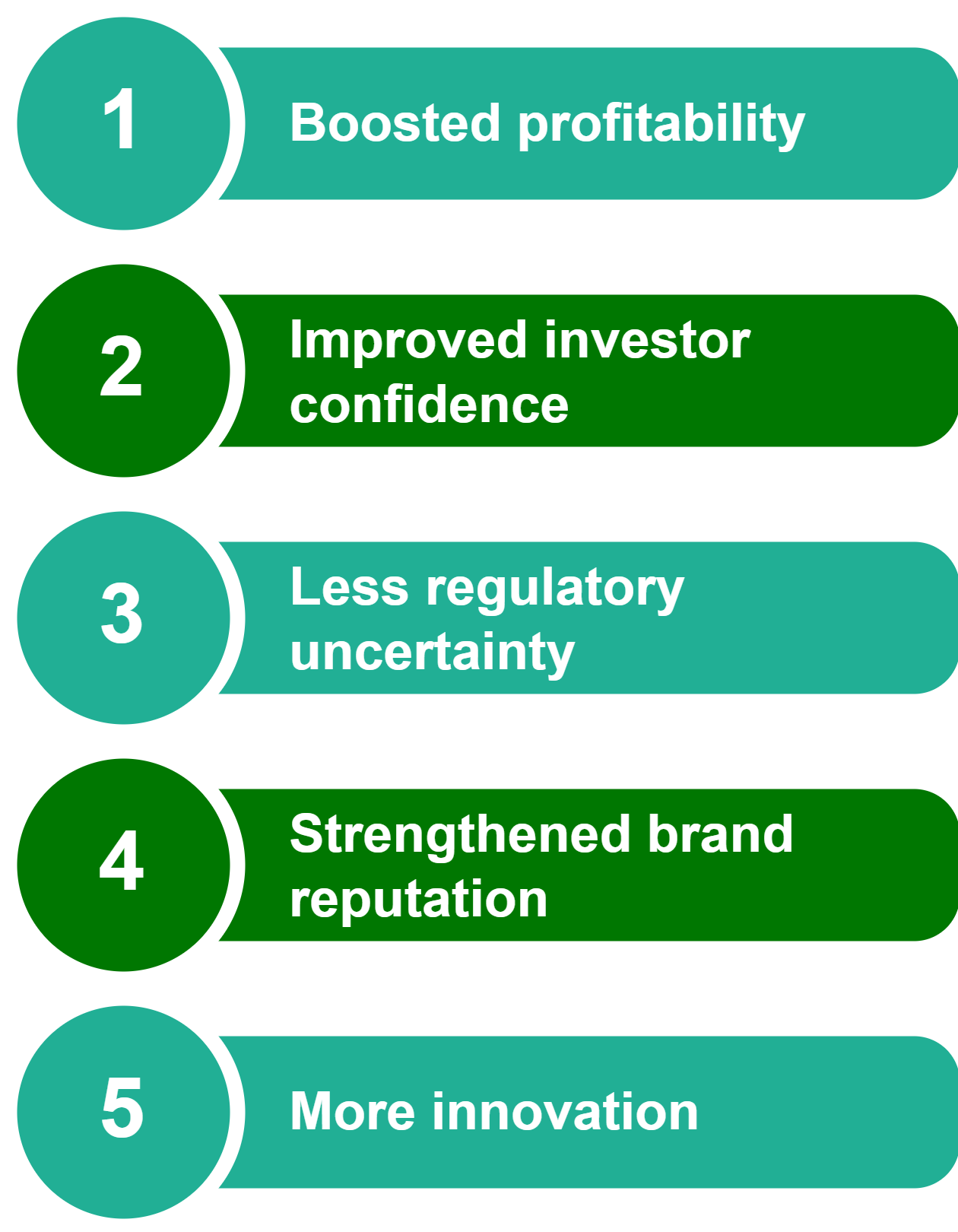
By committing to hard science-aligned goals, companies signal leadership on climate risk and stay ahead of regulation. Companies using SBTi targets avoid the pitfalls of vague or misaligned promises. The initiative’s guidance gives companies confidence that their near- and long-term decarbonization plans are aligned with climate science.